| Purpose |
A credit card transaction is a payment processed using a customer’s debit or credit card through a supported card network and processor. These transactions follow a defined authorization, settlement, and funding lifecycle that determines when funds move and when actions such as voids, refunds, or disputes can occur.
Settlement Timeframes
Credit Card debit (sale) transactions:
Typically settle within 24–48 hoursCredit Card credit/refund transactions:
Typically take 5–7 business days to post back to the cardholderIn some cases, refunds may take up to 10 business days, depending on the issuing bank
| Credit Card Processors Supported by Forte |
Forte maintains processing relationships with several credit card processors. Every Forte merchant processing credit cards will be associated with one of the following:
Forte Vantiv
Global Payments (BIN 037000)
Elavon (Nova)
Vital / TSYS
First Data
Forte-Managed Processing Relationships
The following processing relationships are directly managed by Forte:
Forte Vantiv
Global Payments (BIN 037000)
For these processors, Forte can assist with transaction research and chargeback-related inquiries.
| Credit Card Cutoff Times (PST) |
Cutoff times determine whether a transaction is included in the current business day’s batch or rolls to the next processing day.
| Platform | Cutoff Time (PST) |
|---|---|
| Global Payments | 8:00 PM / 10:00 PM |
| Nova (Elavon) | 9:00 PM |
| Vital (TSYS) | 8:00 PM |
| First Data | 10:00 PM |
| Forte Vantiv | 5:00 PM (unless configured differently) |
Important:
Transactions submitted after the cutoff time will process in the next business day’s batch, which impacts settlement and funding timelines.
| Credit Card Transaction Types |
Each credit card transaction is assigned a specific transaction type, defining how it behaves in the processing lifecycle.
Common Credit Card Transaction Types
Type 10 – SALE
Charges the customer’s credit card and submits the transaction for settlement.Type 11 – AUTH ONLY
Places an authorization hold on the cardholder’s funds without capturing the payment.Type 12 – CAPTURE
Completes an AUTH ONLY transaction and submits it for settlement.Type 13 – CREDIT (Refund)
Returns funds to the customer’s credit card. Processing time depends on the issuing bank.Type 14 – VOID
Cancels a transaction before it settles. Voids prevent funds from being captured.Type 15 – PRE-AUTH
Approves a customer charge initiated from another system or source and holds funds temporarily.
| Credit Card Transaction Lifecycle (Status Cycle) |
Credit card transactions move through defined statuses from initiation to completion. Understanding this lifecycle is critical when assisting merchants.
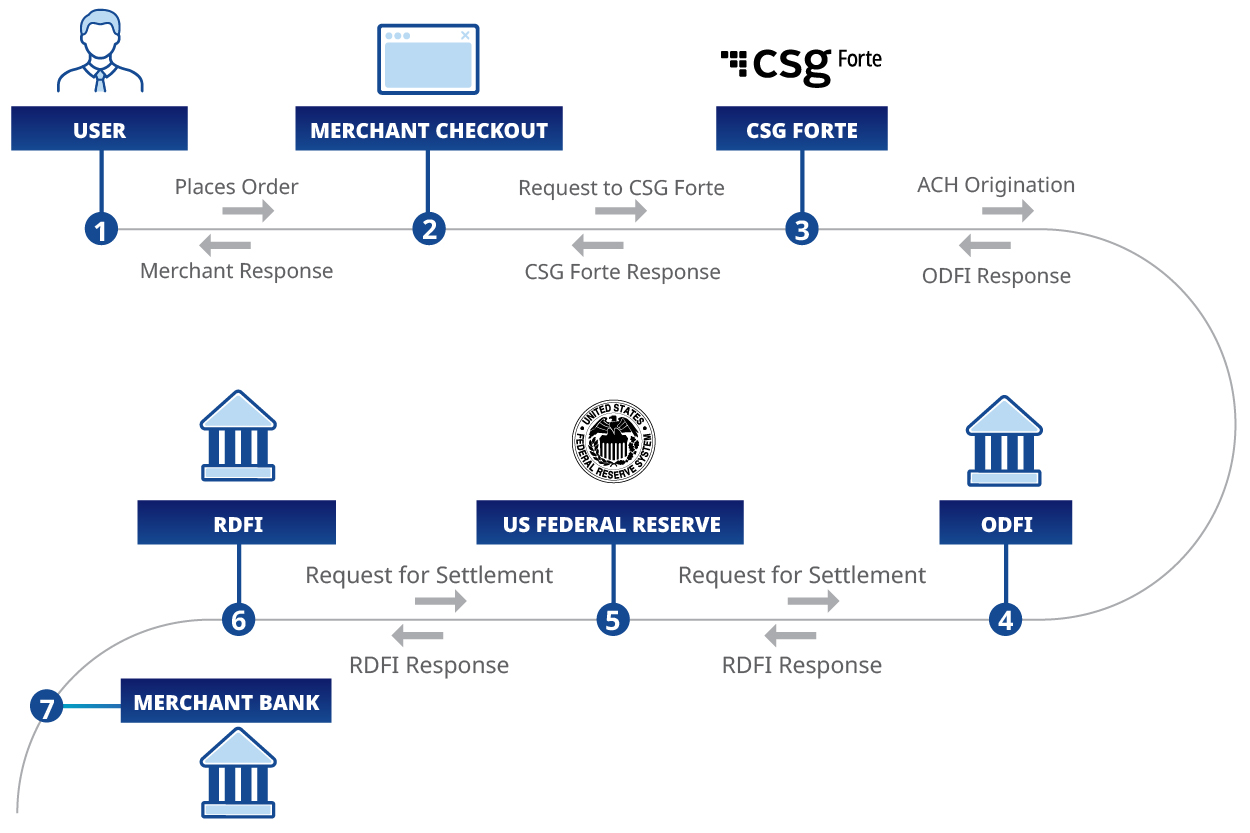
Typical Credit Card Status Flow
Authorized
Funds are approved and held on the cardholder’s account
Applies to SALE, AUTH ONLY, or PRE-AUTH transactions
Captured
Authorization has been finalized (via SALE or CAPTURE)
Transaction is queued for settlement
Settled
Transaction has been batched and submitted to the processor
Funds are in transit to the merchant
Funded
Funds have been deposited into the merchant’s bank account
Alternate Status Paths
Voided
Transaction was canceled before settlement
Refunded (Credited)
Funds were returned to the cardholder after settlement
Chargeback
Funds were reversed due to a cardholder dispute
| Voids vs. Refunds (Key Distinction) |
.
| Action | When Used | Effect |
|---|---|---|
| Void | Before settlement | Prevents funds from being captured |
| Refund (Credit) | After settlement | Returns funds to the cardholder |
Voids are always preferred when available, as refunds take longer to process and appear on customer statements.
Was this article helpful?
That’s Great!
Thank you for your feedback
Sorry! We couldn't be helpful
Thank you for your feedback
Feedback sent
We appreciate your effort and will try to fix the article